Compare Local Contractors for Residential Carpet Repair Services
Compare local contractors for residential carpet repair to clarify scope, verify experience, and set clear expectations, ensuring a successful and stress-free project.
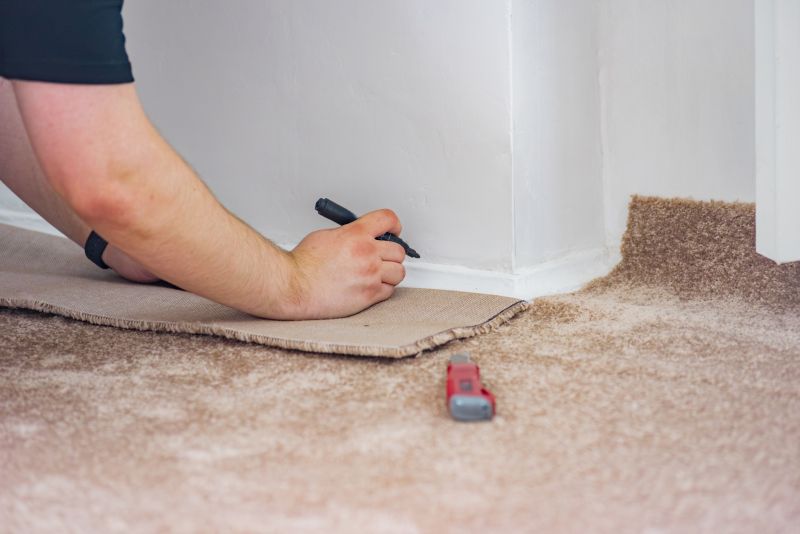
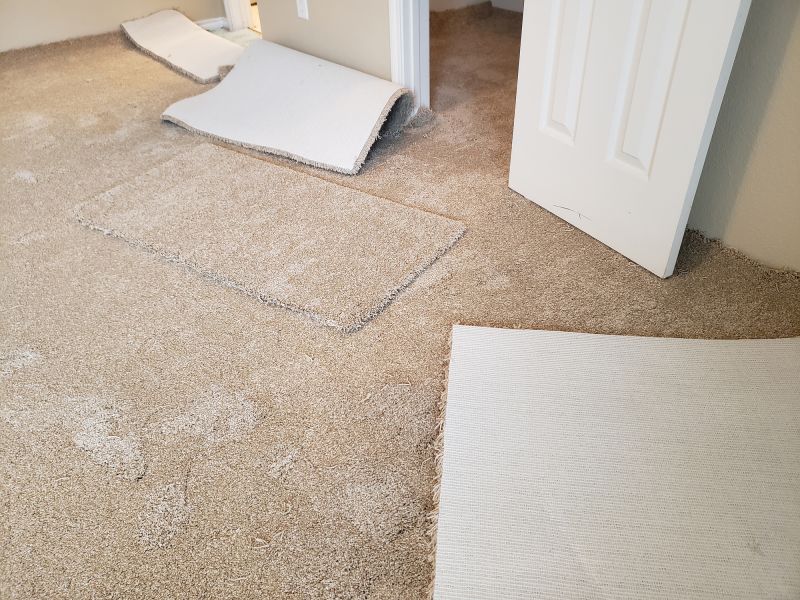
Residential carpet repair services typically cover a range of tasks aimed at restoring the appearance and functionality of carpeted areas within a home. This can include patching areas with damage or stains, stretching carpets to eliminate wrinkles, seam repairs to address separation or fraying, and addressing burns, tears, or other types of physical damage. Some contractors may also handle re-anchoring or re-securing loose edges, as well as reinforcing high-traffic areas to extend the carpet’s lifespan. Understanding the specific scope of work needed helps property owners communicate their needs clearly and ensures that contractors can provide appropriate solutions tailored to the condition of the carpet.
Defining the scope of a carpet repair project is essential to avoid misunderstandings and ensure the work aligns with expectations. Property owners should clearly specify what areas require attention, the type of damage or wear, and any particular preferences for materials or repair techniques. Documenting these details in writing can serve as a reference point throughout the project, helping to prevent scope creep or unexpected issues. Having a well-defined scope also enables property owners to compare service providers more effectively, as it provides a consistent basis for evaluating the experience, expertise, and proposed approaches of different local contractors.
When comparing local contractors for residential carpet repair, property owners should consider several practical factors. It’s important to verify the experience and reputation of each service provider, which can often be assessed through references, reviews, or portfolios of completed work. Asking about the methods and materials they typically use ensures that the contractor’s approach aligns with the property owner’s expectations. Additionally, obtaining detailed written proposals that outline the scope of work, materials, and any warranties or guarantees can help facilitate an informed decision. Evaluating how each contractor communicates and their willingness to address questions or concerns also contributes to selecting a reliable service provider for the project.
Compare local contractors by outlining project priorities, verifying experience, and establishing clear scope and expectations in writing.
- Compare Contractor Experience - review the background and track record of local service providers to ensure quality work.
- Define Project Scope - clearly outline the repair needs and expectations before engaging with contractors.
- Verify Service Details - confirm the scope of work, materials, and methods are documented in writing.
- Assess Qualifications - evaluate the expertise of local contractors to find those with relevant experience in carpet repairs.

Clearly describe your carpet repair needs to help local contractors compare options and define project expectations effectively.
- Assess the contractor’s experience with residential carpet repair to ensure familiarity with common issues and solutions. - Verify that service providers clearly define the scope of work and repair methods in writing.
- Compare multiple local contractors to evaluate their expertise and consistency in handling carpet repairs. - Look for providers who have a proven track record with similar repair projects in residential settings.
- Check references or reviews to gauge customer satisfaction and the quality of previous carpet repair work. - Ensure that service providers are transparent about their process and materials used for repairs.
- Confirm that contractors provide detailed written estimates that outline the repair scope and any potential additional work. - Clarify expectations regarding repair outcomes and responsibilities before work begins.
- Evaluate the professionalism and communication skills of the service providers to ensure clear and responsive interactions. - Prioritize contractors who are prompt in providing information and willing to answer questions about their approach.
Compare local contractors' experience and clarify project scope to ensure expectations are aligned.


Use consistent comparison criteria to evaluate local contractors' scope, experience, and written expectations for carpet repair.
- Scope Definition - Clearly outline the specific carpet repair services needed, such as patching, seam fixing, or stain removal.
- Experience Verification - Confirm that local contractors have relevant experience in residential carpet repair projects.
- Material and Method Details - Specify the types of materials and repair techniques preferred or required for the job.
- Work Expectations - Document the scope of work, including areas to be repaired and the desired outcome.
- Written Agreement - Ensure all project details, including scope and responsibilities, are documented in a formal agreement.
When comparing contractors for residential carpet repair, it is important to assess their experience with similar projects. Service providers who have a proven track record handling repairs comparable to the scope of your needs can often deliver more reliable results. Inquire about the types of carpets they have worked on and the specific repair techniques they have used, ensuring their expertise aligns with the requirements of your home. A contractor’s familiarity with various carpet materials and repair methods can help ensure the work is performed correctly and efficiently.
A clear, written scope of work is essential for setting expectations and avoiding misunderstandings. When evaluating service providers, seek detailed descriptions of the repair process, including the steps involved and the materials to be used. A well-defined scope helps ensure all parties are aligned on what will be done, and it provides a reference point should questions or issues arise during or after the project. Service providers who can articulate their approach in writing demonstrate professionalism and transparency.
Verifying the basics of a contractor’s background is a key step in the comparison process. Confirm that the service providers have appropriate experience with residential carpet repairs and ask for references or examples of completed projects. It’s also helpful to verify that they carry appropriate insurance coverage and adhere to industry standards. Gathering this information can help identify contractors who are capable of delivering quality work and who operate with accountability and professionalism.
Evaluating options without focusing on prices involves considering the quality of service and the clarity of communication. Look for service providers who can provide detailed proposals, including scope and process explanations, and who are willing to answer questions about their methods. Comparing how each contractor approaches the project, their professionalism, and their ability to clearly outline their process can help determine which service providers are best suited to meet the specific needs of the home. This approach ensures that choices are based on expertise and clarity, rather than cost alone.
Ask contractors to provide written scope details to ensure clear understanding and consistent expectations for the repair.
- Experience and Expertise - What experience do local contractors have with residential carpet repair projects similar to this one?
- Scope of Services - How do local service providers define and outline the specific scope of work for carpet repairs?
- Material and Technique Options - What repair methods and materials do local contractors recommend for this type of carpet damage?
- Warranty and Guarantees - Do local service providers offer any written guarantees or warranties for their carpet repair work?
- Comparison of Services - How can homeowners compare the scope and quality of services offered by different local contractors?
How can I compare different contractors for residential carpet repair? Comparing contractors involves reviewing their experience, checking references, and ensuring their scope of work aligns with your needs. Gathering multiple quotes and clarifying what services are included can help in making an informed decision.
What should I consider when defining the scope of carpet repair? Clearly outline the areas that need repair, the type of damage, and any specific requirements. Providing detailed information helps contractors understand your expectations and deliver accurate proposals.
How can I verify a contractor’s experience with carpet repair? Ask contractors about their previous projects, request references, and inquire about the types of repairs they have performed. This can give insight into their familiarity with different carpet materials and damage types.
Why is it important to get repairs in writing? Having a written agreement specifies the scope of work, materials, and responsibilities, reducing misunderstandings and ensuring that both parties are clear about the repair process.
What questions should I ask to ensure a contractor understands my needs? Inquire about their approach to repairs, materials used, and how they handle specific types of damage. Clear communication helps ensure the work meets your expectations.
How can I ensure the contractor is experienced with different carpet types? Discuss the carpet materials in your home and ask the contractor about their experience working with those specific types. This helps confirm their ability to perform quality repairs on your carpet.
By understanding how to compare service providers, define the scope of the carpet repair, verify their experience, and ensure all details are confirmed in writing, homeowners can make more informed choices when selecting a contractor. This approach helps clarify expectations and facilitates a smoother repair process. Using the quote form allows visitors to easily connect with trusted local contractors who specialize in residential carpet repairs, enabling a straightforward way to explore options.
Taking the time to evaluate local contractors based on their experience and clearly outlining the project scope can lead to a more confident decision. The quote form provides a simple method to compare available service providers in the area, helping homeowners find the right fit for their carpet repair needs without the need for direct contact.